
Understand what's happening in your mind and body — and build a toolkit to manage it.
A personal welcome and overview of this playbook from Zack.
Anxiety Is a Normal Human Emotion
Anxiety is an evolutionary survival mechanism our brain developed to keep us safe in the face of a perceived threat or uncertainty. Notice the word perceived. Your brain does not need to be in actual danger to experience anxiety. It only needs to believe there might be danger.
Imagine you're hiking in the woods and hear rustling in the bushes. Your brain immediately asks: "Could something dangerous be over there?" Within fractions of a second, your body begins preparing for action, even before you know what's making the noise. That is anxiety doing exactly what it evolved to do.
Today, we are rarely in any physical danger (we are out of the food chain, for what it’s worth!). So instead of threats to our safety, modern anxiety typically is responding to an emotional fear or concern about well-being, such as the fear of failure, embarrassment, judgment, or rejection.
In many situations, anxiety can be useful. Anxiety motivates us to:
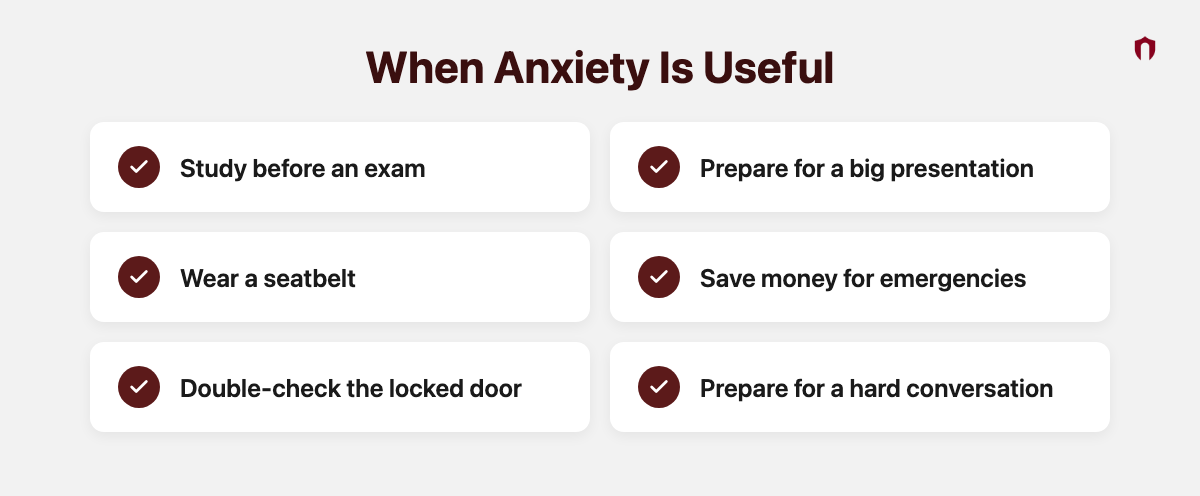
Without anxiety, human beings would take unnecessary risks and fail to prepare for important challenges. Anxiety exists because, throughout human history, preparation increased the likelihood of survival.
In 2026 and beyond, anxiety isn’t completely unnecessary, but it’s often misplaced and misinterpreted.
When Do We Experience Anxiety?
At its core, anxiety tends to emerge when three beliefs come together:
These three beliefs work together. If something is important but predictable and within your control, anxiety is usually manageable. If something is unpredictable but unimportant (think about a test worth 2% of your grade), it rarely creates significant distress. However, when an outcome feels highly important, highly uncertain, and outside your control, anxiety often reaches its highest levels.
Fortunately, this model also provides a roadmap for reducing anxiety. We can ask ourselves three questions:
By shifting our attention toward controllable actions instead of uncontrollable outcomes, anxiety often begins to lose its intensity. Perspective reduces excessive importance. Preparation increases predictability. Focusing on our actions and responses restores a sense of control.
The goal is not to eliminate anxiety entirely. Some anxiety is both normal and useful — it can sharpen focus, increase motivation, and prepare the body for action. The goal is to understand why anxiety appears and to respond in a way that keeps it from controlling our thoughts, emotions, and behavior. When we recognize that anxiety is largely driven by our perceptions of importance, unpredictability, and control, we can begin changing those perceptions and, in turn, change our emotional experience.
Anxiety Exists on a Spectrum
Everyone experiences anxiety differently. For some, anxiety is an occasional feeling before stressful events. For others, it becomes a near-constant companion. Think of anxiety like a volume dial. Low levels may barely be noticeable. Moderate levels can improve focus and motivation. Very high levels may become overwhelming and interfere with thinking, decision-making, sleep, relationships, and work.
The important point is that anxiety is not simply present or absent, it exists along a spectrum.
Factors that influence how someone may experience and respond to anxiety include:
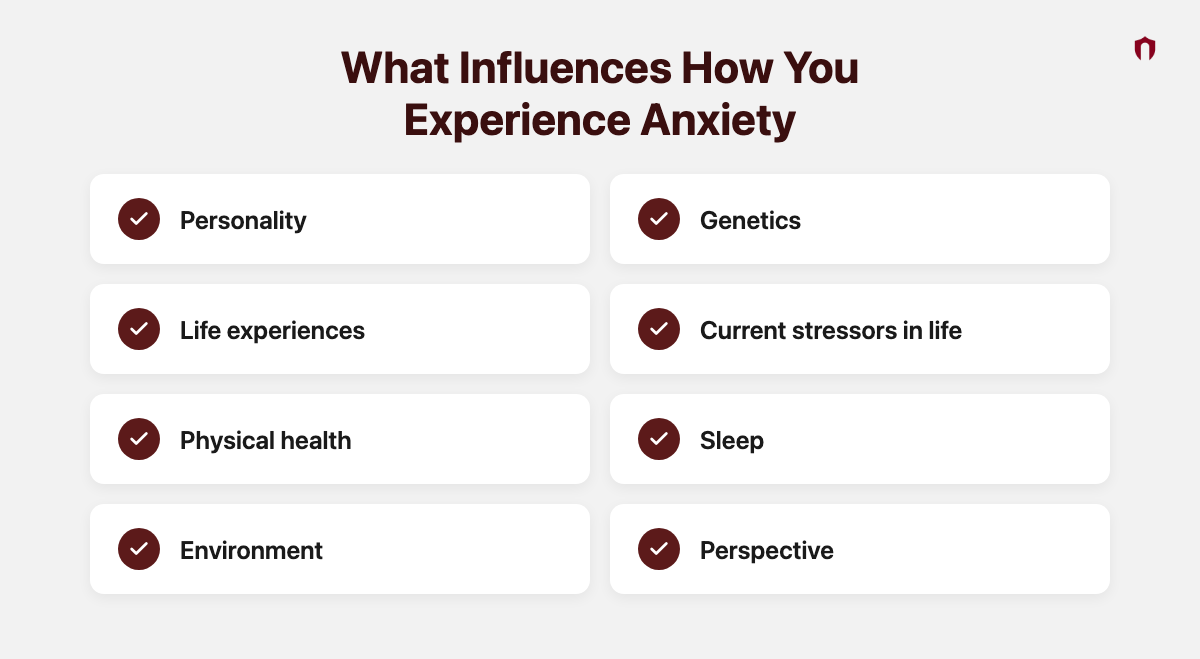
Understanding this helps remove unnecessary self-judgment and could help identify what to work on to reduce symptoms.
Anxiety Involves Your Whole Body
A misconception about anxiety is that its symptoms are “all in your head,” and are confined to thoughts and beliefs. In reality, anxiety often involves the entire body.
When your brain detects possible danger, it activates multiple systems simultaneously. You may notice:
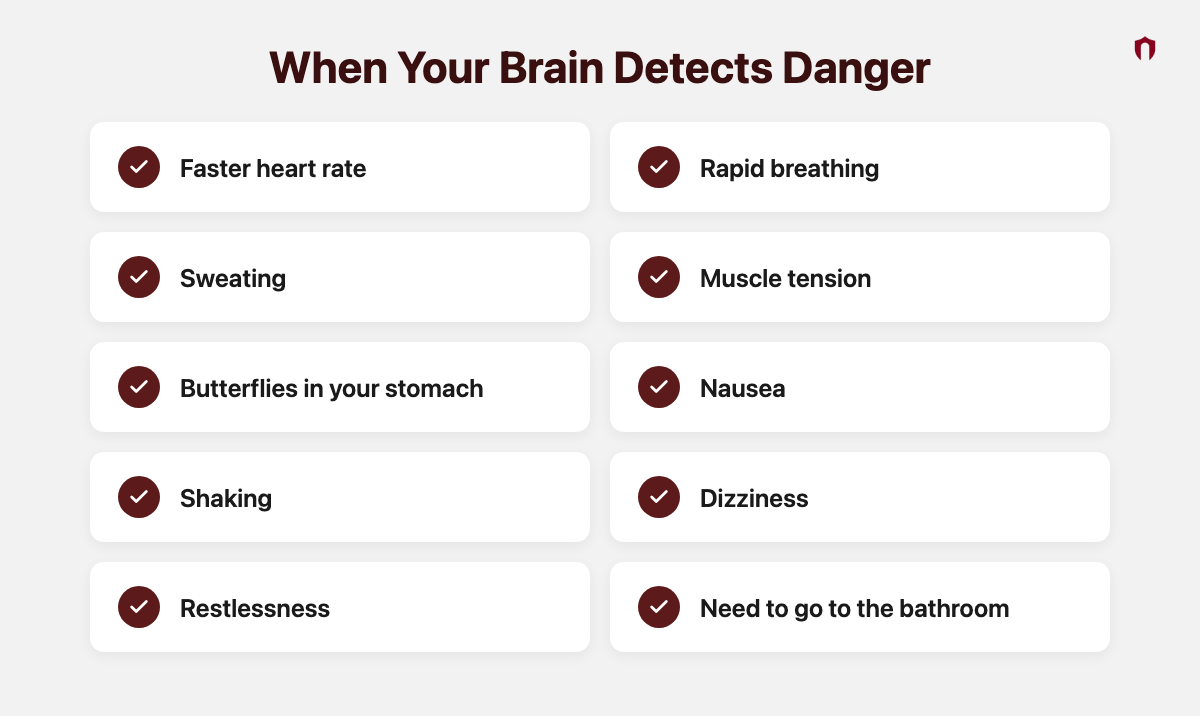
These physical sensations often surprise people. In fact, many individuals first seek medical care because they believe something is physically wrong. These symptoms are real, and they’re produced by the body's stress response rather than by an illness.
While we’ll explore why this happens in much greater detail in later modules, the short answer is this is your body’s way of activating its fight or flight response to a threat and preparing you for action needed to survive. For example, your heart rate increases to pump blood to your body faster so you can act more quickly. Anxiety heats your body up (think about athletes warming up before performing) to make you more flexible and active, which may cause the internal system to begin sweating. It may tighten your muscles as you would tighten your stomach if you knew someone was about to punch you. Many often need to go to the bathroom because your body is trying to rid itself of unnecessary content that could weigh you down if you needed to run or fight.
Why Anxiety Feels So Convincing
One reason anxiety is so difficult to manage is because it feels incredibly believable. When we're anxious, our brains begin scanning for evidence that supports the feeling. This process, known as threat monitoring, makes us notice information that confirms danger while overlooking evidence that suggests safety. It’s a form of confirmation bias that leads us to see information consistent with our fears and put more weight on that evidence. It alters our perception of reality.
For example:
Someone afraid of public speaking notices every person looking bored.
Someone anxious about their health notices every minor physical sensation.
Someone worried about relationships notices every delayed text message.
The anxious brain becomes highly efficient at finding reasons to stay anxious. This isn't because you're irrational, it's because your brain is trying to protect you.
Anxiety Is Trying to Help
This may sound strange, but anxiety has positive intentions. Its job is protection.
It constantly asks questions like:
Although anxiety can become overactive, its underlying purpose is to keep you safe.
This is an important mindset shift. Rather than viewing anxiety as your enemy, it can be helpful to think of it as an overprotective bodyguard. An overprotective bodyguard sometimes mistakes harmless situations for dangerous ones, but it still has your best interest in mind.
Throughout this Playbook, you'll learn how to work with your anxiety rather than constantly fighting against it.
Common Myths About Anxiety
Several misconceptions contribute to unnecessary fear and shame.
Myth 1: Anxiety means something is wrong with me.
Reality: Anxiety is a universal human emotion. It exists for evolutionary purposes. Some may experience it more intensely and inappropriately than others, but its function is to keep you safe, which is valuable.
Myth 2: Mentally strong people don't get anxious.
Reality: Elite athletes, military personnel, physicians, CEOs, performers, and therapists all experience anxiety to an extent. Mental strength is not the absence of anxiety; it’s about learning how to respond to it and manage it effectively.
Myth 3: “I’m an anxious person.”
Reality: “I lack the skills necessary to harness anxiety and utilize it in a productive way. I lack the coping skills needed to reduce symptoms.” Anxiety and YOU are two different, distinct entities.
Key Takeaways
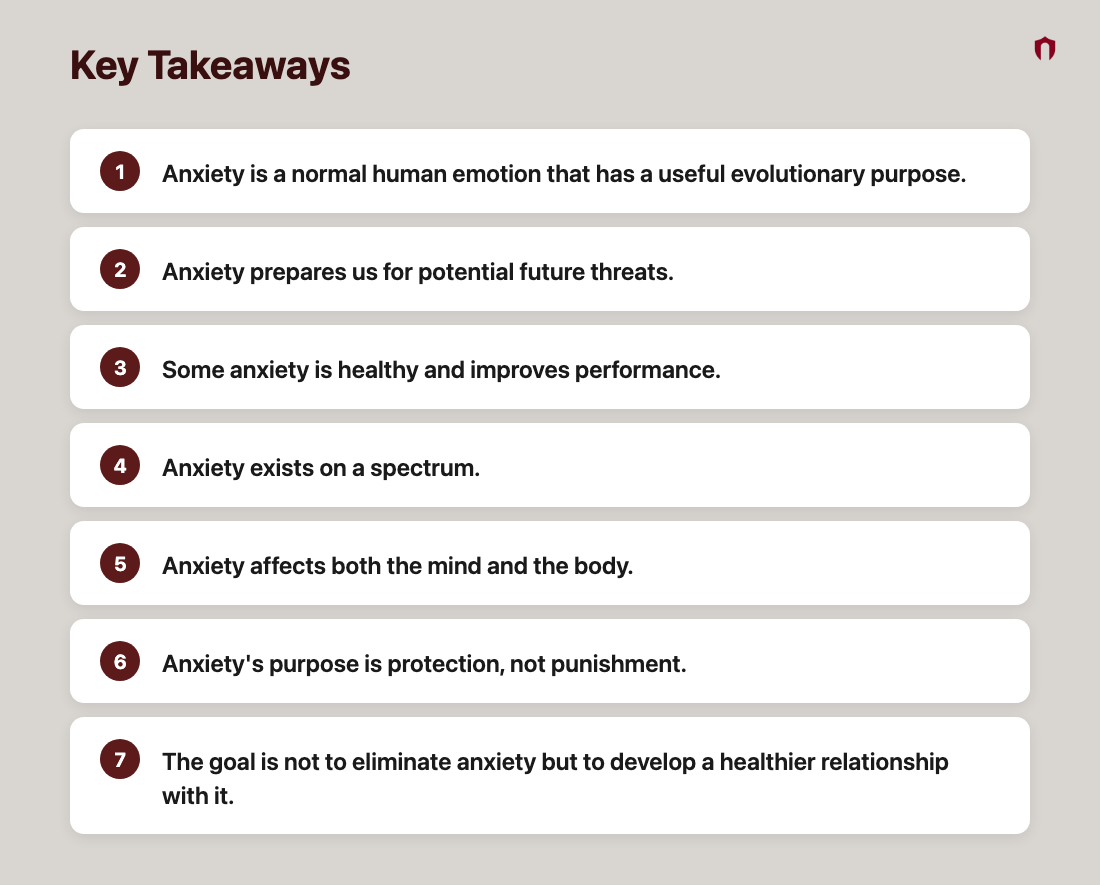
🧠 Your Mental Playbook
One Thing to Remember
Anxiety isn't your enemy—it's your mind and body's attempt to protect you from perceived future threats.
Reflect
When do you notice anxiety showing up most often in your life?
How has your view of anxiety changed after learning that it is a normal survival mechanism?
Are there situations where your anxiety has actually helped you prepare or perform better?
Put It Into Practice
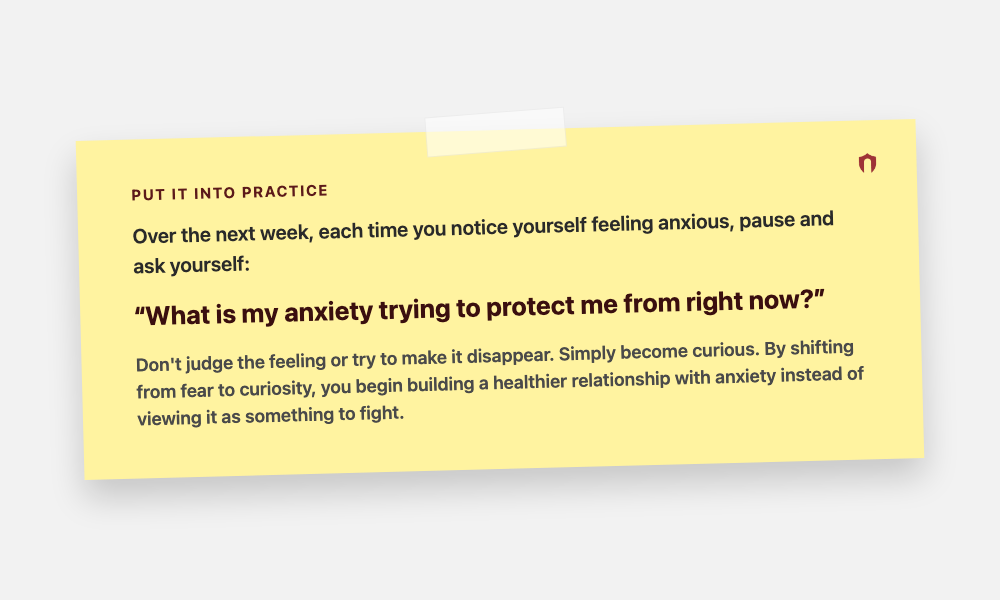
"The greatest weapon against stress is our ability to choose one thought over another." — William James
An Ancient Brain Living in a Modern World
For nearly all of human history, survival depended on recognizing and responding quickly to physical danger.
A rustling bush might contain a predator. A stranger approaching your group could represent a threat. A sudden loud noise demanded immediate attention. Those whose brains responded rapidly to possible danger were more likely to survive and pass on their genes. Over thousands of generations, humans developed incredibly sophisticated systems for detecting threats.
Our brains evolved to prioritize survival - not comfort, certainty, or happiness.
The problem is that while evolution moves very slowly, society (and technology) changes incredibly fast. While our environment has transformed dramatically over the last few hundred years, our brains remain remarkably similar to those of our distant ancestors.
Today, your biggest concerns are hopefully not avoiding predators or searching for food. Under these relatively new (and easier) circumstances, our brains have redirected that same survival system toward entirely different kinds of threats.
From Physical Threats to Psychological Threats
The dangers we face today are often psychological rather than physical. Instead of "Will I survive?" our brains ask questions like:
Objectively, these situations are very different from being chased by a predator. Yet our nervous system often responds in incredibly similar ways. When faced with a psychological fear, we may experience a physiological fight or flight response.
Our heart races. Our muscles tense. Our breathing changes. Our attention narrows.
Why? Because your brain cannot always distinguish between a threat to your survival and a threat to something important to you socially.
For our ancestors, being rejected by the group could have serious consequences. Humans survived through cooperation, belonging, and community. Social exclusion could reduce access to food, protection, and potential mates.
Although social rejection today doesn’t literally threaten survival, our brains often react as though it does. And with the absence of a great deal of physical threats in our everyday lives, the brain’s tendency to scan for threats often results in focusing on the socio-emotional concerns, since it is currently the most common low hanging fruit.
This helps explain why something as seemingly harmless as giving a presentation, going on a first date, posting on social media, or making a mistake in public can feel intensely threatening.
Our Brains Struggle with Uncertainty
One of the biggest differences between ancient and modern life is the amount of uncertainty we face. Our ancestors typically dealt with problems that had relatively clear outcomes.
The storm passed. The hunt ended. The predator either escaped or didn't. Today's worries are often much less defined.
Questions like:
Our brains naturally search for answers. When no clear answer exists, anxiety often remains activated. As discussed in the previous module, “unpredictability” is a big factor in generating anxious symptoms. The brain dislikes uncertainty because uncertainty makes prediction difficult. And prediction has always been essential for survival.
The Age of Constant Stimulation
When our brains were forming, our ancestors experienced long periods of quiet.
There were moments for reflection. Significant time passed without entertainment. Low levels of stimulation that led to a quieter, more simplistic lifestyle.
Today, we’ll wake up and immediately reach for our phones. Throughout the day we’ll receive emails, text messages, breaking news alerts, advertisements, social media notifications, and endless streams of digital content.
By the evening, we continue consuming information through streaming services, videos, podcasts, or scrolling before bed.
Rarely does the brain get an opportunity to rest. The human brain is remarkably adaptable, but it was never designed to process this much information every waking hour.
Constant stimulation can leave us mentally fatigued, emotionally reactive, and perpetually alert. In other words, it’s exhausting. And it’s brutal for our nervous system.
Information Overload
For most of history, people knew relatively little about events happening outside their immediate community. Today we learn about wars, natural disasters, economic instability, political conflict, crime, disease outbreaks, and global tragedies within seconds.
Being informed has value, but our brains often struggle to distinguish between information that helps us and information that simply increases stress. We’re often drawn to more sensationalized, interesting information, which makes negative news and content more intriguing to consume.
In individual sessions, I discuss the presence of information overload with my clients. We spend time identifying what content they’re consuming that is harmful to them and create strategies for how to best mitigate the impact.
When we are constantly exposed to problems we can’t solve, our nervous system may remain in a prolonged state of vigilance without ever finding resolution. Our brains evolved to respond to immediate, actionable problems, not an endless feed of global concerns.
Social Media and the Comparison Trap
While humans have always compared themselves to others, social media has two-hand shoved us into the tendency of doing so at a much larger scale. Instead of comparing ourselves to a handful of family, neighbors, coworkers, we now compare ourselves to thousands of carefully curated highlight reels of strangers who we’ll never know personally.
We see promotions, vacations, seemingly perfect relationships, fitness transformations, luxury lifestyles, and achievements. What we rarely see are the ordinary days, struggles, insecurities, failures, and disappointments that make up most people's lives.
Over time, this distorted perspective can create unrealistic expectations and increase anxiety, self-doubt, and feelings of inadequacy.
Social media also introduces something our brains are highly sensitive to: Constant social evaluation.
Likes, comments, followers, views, online criticism. These are all extremely new introductions in the grand scheme of human consciousness, and the early returns are… bad.
Approval has become measurable in ways it never was before. Which makes it a more sought after commodity. For a brain wired to seek belonging, that can be incredibly powerful.
Digital Overstimulation and Instant Gratification
Technology has given us immediate access to entertainment and stimulation. Within seconds we can watch videos, play games, shop online, scroll through social media, or consume pornography, gamble on casinos, and read every piece of information (and all its interpretations) ever known to mankind.
As this has become our primary way of coping with boredom, loneliness, stress, or anxiety, these behaviors prevent us from developing healthier ways of regulating emotions.
Our brains evolved in environments where novelty was relatively rare (again, our brain seeks familiarity and predictability). Today, endless novelty is available with a swipe of the finger.
While this can be enjoyable, constantly seeking stimulation may make it more difficult to tolerate discomfort, boredom, or delayed gratification – all skills that are important for emotional resilience.
The Pressure to Always Be Productive
Modern culture celebrates being busy, leading us to feel guilty when we rest and relax. Productivity and “success” have become closely tied to identity and self-worth, which means there is constant pressure to always accomplish more, earn more, improve more, and optimize more.
While ambition is not inherently unhealthy, living in a constant state of striving without adequate recovery can contribute to chronic stress and anxiety. Also, what’s the point of success if you don’t take a minute to enjoy it? What’s the point of money if you don’t spend it on something fun or important to you?
Human beings were not designed to perform at maximum capacity every waking hour. Recovery is not laziness, it’s a biological necessity.
Modern Life Isn't the Enemy
While modern life brings challenges to our psyche and creates anxious responses from our nervous system, the point isn’t that our current way of life is “bad” or worse than it used to be.
Modern life has given us incredible opportunities to connect, grow, explore, create, and experience the world in ways that would be inconceivable to people even 50 years ago.
The goal isn’t to reject technology and wish for simpler times, it’s to recognize and understand the impact that the current landscape of our reality has on us, and develop the skills needed to mitigate the negative impact while enjoying the benefits of it.
When we recognize that our brains evolved for a very different world, many of our anxious reactions begin to make more sense. This understanding replaces self-blame with self-compassion. You are not weak or broken, you’re navigating an extraordinarily complex world with a brain that evolved to survive very different circumstances.
What’s required moving forward is intentional choices that help our nervous system thrive in the modern world rather than constantly fighting against it.
Key Takeaways
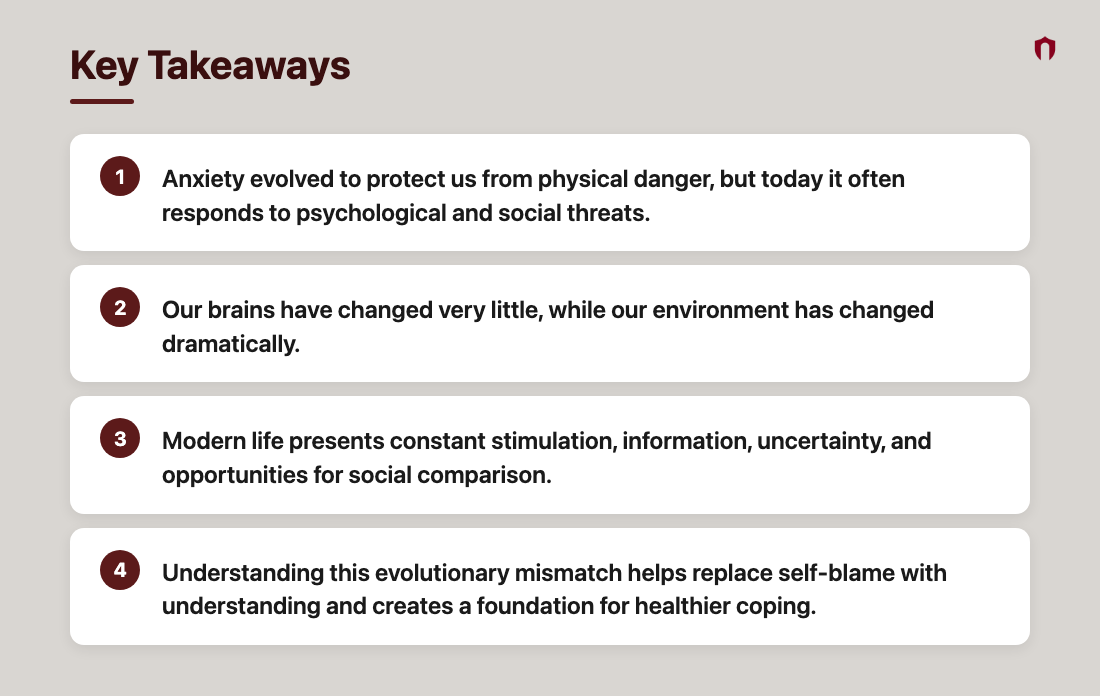
🧠 Your Mental Playbook
One Thing to Remember
Your brain is responding to a modern world with an ancient survival system. Understanding that mismatch is the first step toward managing anxiety more effectively.
Reflect
Which aspect of modern life do you think contributes most to your own anxiety?
What vices do you utilize when you’re feeling distress that your ancestors wouldn’t have been able to engage in so easily?
When you use social media such as Instagram or TikTok, do you feel better or worse after doing so?
What percentage of your interactions with others is from behind a screen?
Put It Into Practice
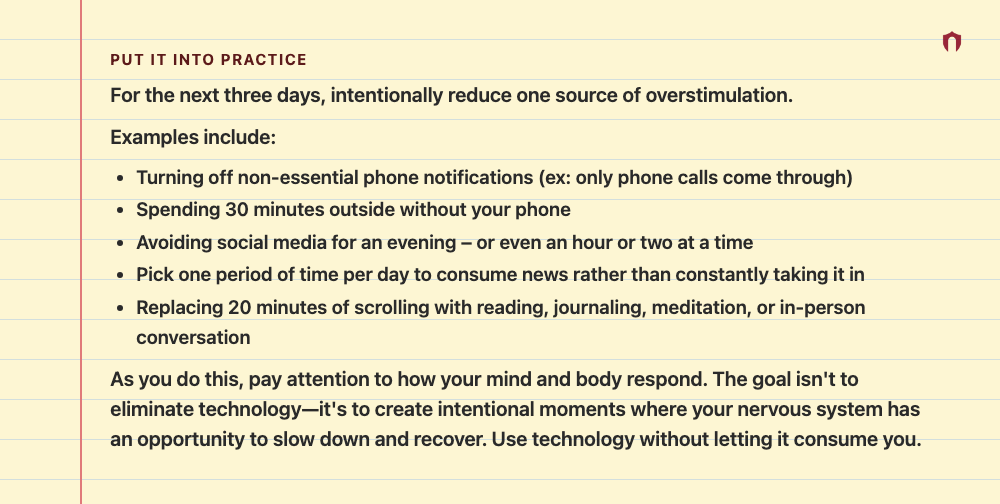
"Almost everything will work again if you unplug it for a few minutes... including you." — Anne Lamott
"Not every thought deserves to be believed simply because your mind produced it." — Zack Etter/Mental Fitness Lounge
Once we recognize that anxiety often grows when we perceive something as important, unpredictable, and outside of our control, we can begin using strategies that reduce its intensity. Coping skills are not designed to eliminate anxiety completely (remember, we need some level of anxiety to keep us safe and prevent us from engaging in overtly dangerous behavior). Instead, they help us regulate our emotional and physiological response so that anxiety becomes manageable rather than overwhelming.
Like any skill, these techniques become more effective with practice. Many people mistakenly believe that coping skills "don't work" because they expect immediate relief or only try them during moments of intense anxiety. In reality, coping skills are most effective when they are practiced consistently, allowing them to become automatic when stress arises.
Below are seven evidence-based coping skills that can help reduce anxiety, why they work, and common barriers that may make them difficult to use.
Rhythmic Breathing
One of the first things anxiety affects is our breathing. During periods of stress, breathing often becomes rapid, shallow, and centered in the chest. This reinforces the body's fight-or-flight response and signals to the brain that danger is present.
Slow, controlled breathing - particularly breathing that emphasizes long, slow exhales - activates the parasympathetic nervous system, often referred to as the body's "rest and digest" system. This sends a message to the brain that the threat has decreased, allowing heart rate, muscle tension, and overall physiological arousal to gradually decrease.
While deep breathing can be highly effective, many people stop using it because they expect anxiety to disappear immediately. Like strengthening a muscle, breathing techniques become more effective with regular practice rather than only during moments of crisis.
In addition to deep, rhythmic breaths to slow down heart rate and regulate the nervous system, another helpful strategy is “Box Breaths.” You can practice them here.
Anchoring/Grounding Techniques
Anxiety often pulls attention into the future through "what if" thinking, or due to a general sense of being overwhelmed. Grounding techniques help interrupt this cycle by redirecting attention back to the present moment.
One of the most effective grounding techniques is utilizing cold water. Taking a cold shower, or even splashing cold water on your face, can reduce physical symptoms of anxiety quickly. It’s also difficult to have racing thoughts when you’re freezing, as your nervous system slows down and brings your attention to find and focus on your breath. Other grounding techniques can involve noticing five things you see, four things you feel, three things you hear, two things you smell, and one thing you taste. Other methods include focusing on physical sensations, holding a cold object, or intentionally describing your surroundings in detail.
These techniques do not solve the problem causing anxiety, but they reduce the brain's tendency to become trapped in catastrophic thinking. By anchoring attention in the present, the nervous system has an opportunity to settle before returning to problem-solving.
One common barrier is that grounding can initially feel overly simple or ineffective. People sometimes dismiss it because it doesn't directly eliminate the stressful situation. However, its purpose is not to remove the problem—it is to reduce emotional intensity enough to think more clearly.
Challenge Unhelpful Thoughts
Our thoughts strongly influence how anxious we feel. When anxiety increases, the brain often overestimates danger while underestimating our ability to cope. This can lead to catastrophizing, assuming the worst, or treating unlikely outcomes as though they are inevitable.
Cognitive restructuring involves identifying these automatic thoughts, examining the evidence for and against them, and developing more balanced alternatives. Rather than replacing negative thoughts with unrealistic optimism, the goal is to think more accurately. I’m not suggesting that you make up a version of reality to feel better, but rather to stop making up thoughts that aren’t based in truth in the first place.
For example, instead of thinking, "If I make one mistake, everything will fall apart," a more balanced thought might be, "Mistakes happen, and I've handled difficult situations successfully before."
The biggest challenge with this skill is that anxious thoughts often feel true simply because they are emotionally intense. Separating feelings from facts requires patience and repeated practice.
Focus on What You Can Control
A common saying in Psychology is: “The enemy of anxiety is action.” A lot of anxious thoughts and symptoms occur due to the anticipation of a negative or uncertain outcome. Taking action allows us to focus on our response and occupies our minds in a way that doesn’t allow time or space for anxiety to prevail.
One of the most effective ways to reduce anxiety is to intentionally shift attention toward factors within our control. This may include our preparation, effort, communication, attitude, daily habits, or how we respond regardless of the outcome. Anxiety naturally directs attention toward outcomes we cannot fully control. We worry about other people's opinions, future events, unexpected circumstances, or things that have not yet happened. When we’re worried about outcomes that aren’t in our control, taking action is difficult, and the responses we decide to move forward with are often misguided and counterproductive.
Identifying controllables then creating and following through with a plan of action increases confidence because it places our energy where it can actually make a difference. Although we cannot control every outcome, we almost always have control over our actions.
Many people struggle with this skill because worrying can create the illusion of productivity. Letting go of uncontrollable outcomes may initially feel irresponsible or as though we are "giving up," when in reality we are simply directing energy toward what is most effective.
Progressive Muscle Relaxation
Anxiety affects both the mind and the body. Many people experiencing anxiety unknowingly tighten their shoulders, jaw, hands, neck, or back throughout the day.
Progressive Muscle Relaxation (PMR) involves intentionally tensing and then relaxing different muscle groups throughout the body. This increases awareness of physical tension while encouraging the body to release it.
Reducing muscle tension often decreases physiological arousal, which in turn reduces emotional anxiety. The brain and body constantly communicate with one another. When the body begins to relax, the brain often follows.
Here is a guided PMR video that you can do on your own. Make sure you’re in a comfortable, quiet, safe space to do so.
The main barrier is consistency. PMR can take several minutes to complete, and many individuals stop practicing because they feel too busy or don't notice dramatic results after only one or two attempts.
Physical Exercise
Regular physical activity is one of the most well-supported strategies for managing anxiety. Exercise helps regulate stress hormones, improves mood through the release of neurotransmitters such as endorphins, improves sleep, and builds confidence in one's ability to tolerate physical discomfort.
Cortisol is your body’s alarm system hormone, often released during stressful situations to give you the needed burst of energy to execute a fight or flight response. The more stress and anxiety you experience, the higher cortisol levels your body takes on. High levels of cortisol over a long period of time can have severe mental and physical health ramifications including heart problems, weakened immune system, digestive issues, and depression. High cardiovascular workouts (getting your heart rate up) reduces resting cortisol levels over time.
Exercise also provides a healthy outlet for the physical energy that often accompanies anxiety. Many symptoms of anxiety including increased heart rate, muscle tension, and restlessness are similar to the physical sensations experienced during exercise. Repeated exposure to these sensations in a safe environment can reduce fear of them over time.
Despite these benefits, anxiety itself often becomes the barrier. Low motivation, fatigue, perfectionism, or believing that exercise must be intense to be beneficial can prevent people from starting. In reality, even moderate activities such as walking can have meaningful effects on anxiety.
Mindfulness and Acceptance
Many people respond to anxiety by fighting it, avoiding it, or attempting to make it disappear immediately. Ironically, the harder we struggle against anxiety, the more attention and power it often receives.
Mindfulness teaches us to observe anxious thoughts, emotions, and physical sensations without immediately reacting to them. Rather than trying to eliminate anxiety, we learn to acknowledge its presence while continuing to engage in behaviors that align with our goals and values.
Acceptance does not mean liking anxiety or giving up. Instead, it means recognizing that uncomfortable emotions are a normal part of life and that we do not have to wait for anxiety to disappear before taking meaningful action. A combination of challenging harmful thoughts while practicing acceptance and mindfulness is a powerful strategy.
One of the greatest barriers to mindfulness is the expectation that the mind should become completely quiet. This misconception often leads people to believe they are "bad at meditation" when thoughts continue to appear. In reality, success is not measured by having no thoughts—it is measured by repeatedly bringing attention back to the present whenever the mind wanders.
Bringing It All Together
No single coping skill works for every person or every situation. Just as different tools are needed for different jobs, different coping skills may be more useful depending on the source and intensity of anxiety. Some strategies primarily calm the body, while others change unhelpful thinking patterns or redirect attention toward productive action.
The most effective approach is often a combination of several skills practiced consistently over time. Coping skills are not quick fixes; they are habits that strengthen emotional resilience through repetition. The more frequently they are practiced during calm moments, the more accessible they become during stressful ones.
Ultimately, coping skills do not promise a life without anxiety. Instead, they help individuals develop the confidence that, even when anxiety shows up, they possess the tools necessary to manage it effectively and continue moving toward the things that matter most.
🧠 Your Mental Playbook
One Thing to Remember
You don't overcome anxiety by eliminating it, you overcome it by changing your relationship with it.
Reflect
When you feel anxious, what is your first instinct? Do you avoid, seek reassurance, distract yourself, or face it?
Which coping strategies have genuinely helped you in the past? Which ones only provided temporary relief? Which have become harmful over time?
If you viewed anxiety as an overprotective alarm system rather than an enemy, how might you respond differently the next time it appears?
Put It Into Practice
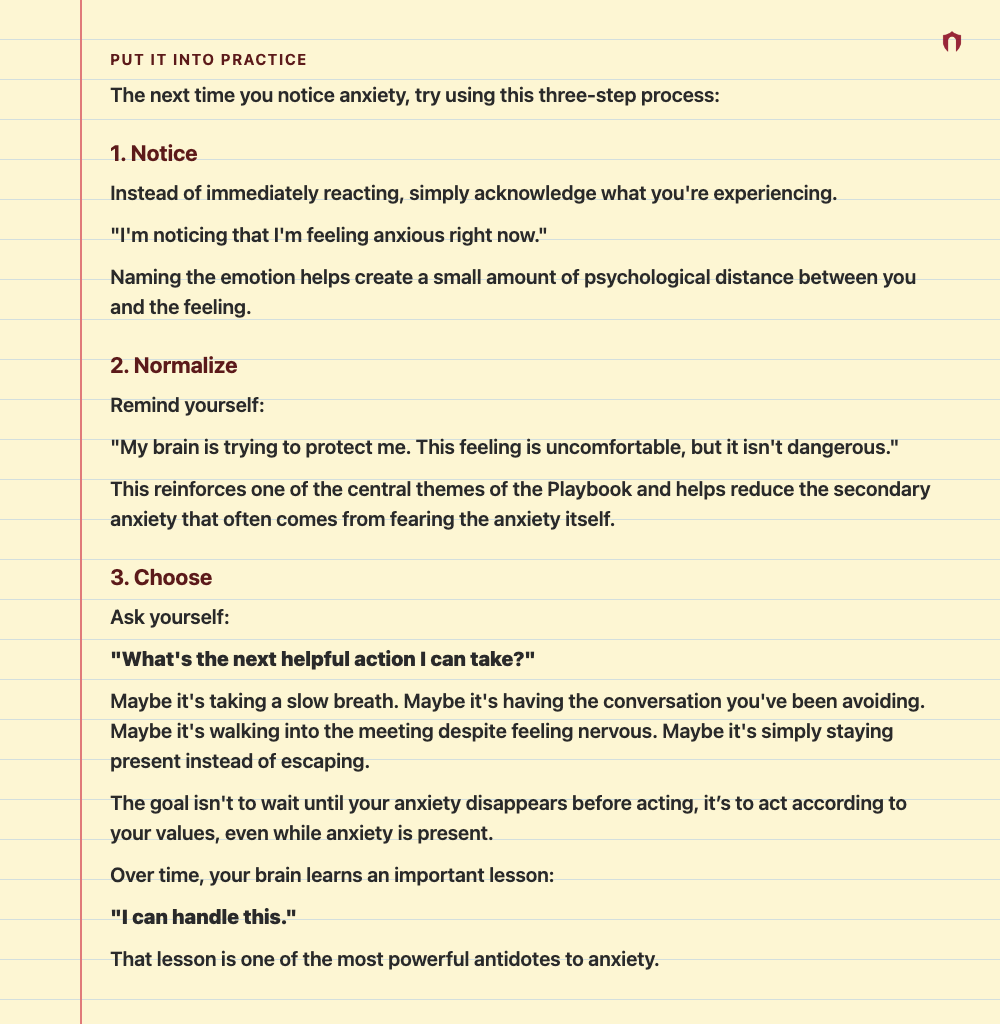
"Courage is not the absence of fear, but the triumph over it." — Nelson Mandela
Anxiety is one of the most common and treatable mental health conditions. While everyone experiences anxiety from time to time, persistent anxiety that interferes with daily life often can be managed with professional treatment. Fortunately, there are several evidence-based approaches that have been shown to reduce anxiety symptoms and improve overall quality of life. The most effective treatment varies from person to person and often involves a combination of approaches.
Psychotherapy
Therapy is considered one of the most effective long-term treatments for anxiety because it helps individuals understand the factors contributing to their anxiety while developing practical skills to manage it.
One of the most well-researched approaches is Cognitive Behavioral Therapy (CBT), which focuses on identifying and changing unhelpful thinking patterns and behaviors that maintain anxiety. CBT also teaches coping skills such as cognitive restructuring, behavioral experiments, and gradual exposure to feared situations.
Acceptance and Commitment Therapy (ACT) takes a different approach by helping individuals accept uncomfortable thoughts and emotions rather than trying to eliminate them. ACT emphasizes mindfulness, psychological flexibility, and taking actions that align with personal values even when anxiety is present.
Dialectical Behavior Therapy (DBT), while originally developed for emotion dysregulation, includes skills that can be highly effective for anxiety. DBT teaches mindfulness, distress tolerance, emotion regulation, and interpersonal effectiveness, helping individuals respond to anxiety in healthier ways.
Other therapeutic approaches, including mindfulness-based therapies, exposure therapy, and psychodynamic therapy, may also be appropriate depending on the individual's symptoms, history, and treatment goals.
Medication
Medication can be an effective option, particularly for individuals with moderate to severe anxiety or when anxiety significantly interferes with daily functioning. Medication does not "cure" anxiety but can reduce symptom intensity enough for individuals to engage more effectively in therapy and everyday life.
The most commonly prescribed medications are Selective Serotonin Reuptake Inhibitors (SSRIs) and Serotonin-Norepinephrine Reuptake Inhibitors (SNRIs). These medications are typically taken daily and often require several weeks before their full benefits are noticed.
Some individuals may also be prescribed benzodiazepines for short-term relief of acute anxiety. While these medications can be effective in the short term, they carry risks such as tolerance, dependence, sedation, and withdrawal symptoms, making them less appropriate for long-term management in most cases.
Medication decisions should always be made in consultation with a qualified medical provider who can evaluate potential benefits, side effects, medical history, and individual treatment needs.
Lifestyle Changes
Healthy lifestyle habits can significantly reduce anxiety and often enhance the effectiveness of therapy and medication. Regular physical exercise has consistently been shown to reduce anxiety symptoms by improving mood, regulating stress hormones, and promoting better sleep.
Maintaining consistent sleep habits, eating a balanced diet, limiting excessive caffeine and alcohol intake, and practicing stress-management techniques such as mindfulness, meditation, diaphragmatic breathing, and progressive muscle relaxation can all contribute to lower overall anxiety levels.
Although lifestyle changes alone may not fully resolve clinical anxiety, they provide an important foundation for emotional well-being and resilience.
Social Support
Strong social connections can serve as a protective factor against anxiety. Spending time with supportive family members, friends, or peers can reduce feelings of isolation, provide encouragement, and offer practical assistance during stressful periods.
For some individuals, support groups can also be valuable by providing a sense of community and the opportunity to learn from others facing similar challenges.
Finding the Right Combination
There is no single treatment that works best for everyone. Some individuals experience significant improvement through therapy alone, while others benefit from medication, lifestyle changes, or a combination of approaches. The most effective treatment plan is one that is individualized, evidence-based, and tailored to each person's unique symptoms, goals, and preferences.
With appropriate treatment and consistent effort, the vast majority of individuals with anxiety can learn to manage their symptoms effectively and lead healthy, productive, and fulfilling lives.
🧠 Your Mental Playbook
One Thing to Remember
Anxiety is highly treatable. Recovery doesn't mean you'll never feel anxious again, it means anxiety no longer controls your life.
"I don't have to stay stuck. There are proven ways to get better, and I can take the first step today."
Reflect
Which treatment approach feels like it would be the best fit for you right now?
Have you been expecting one "quick fix," or are you willing to view recovery as a process?
If anxiety became more manageable over the next year, what would you be able to do that feels difficult today?
Put It Into Practice
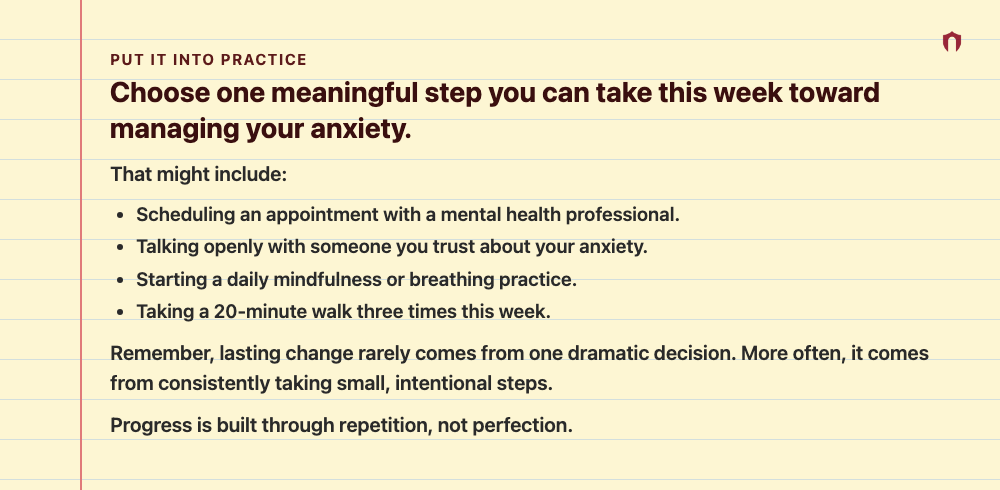
"It does not matter how slowly you go as long as you do not stop." — Confucius
Work one-on-one with Zack to build a plan tailored to your situation.